Reflections on “The Art of Being Creatures” gathering
By Harrison Horst
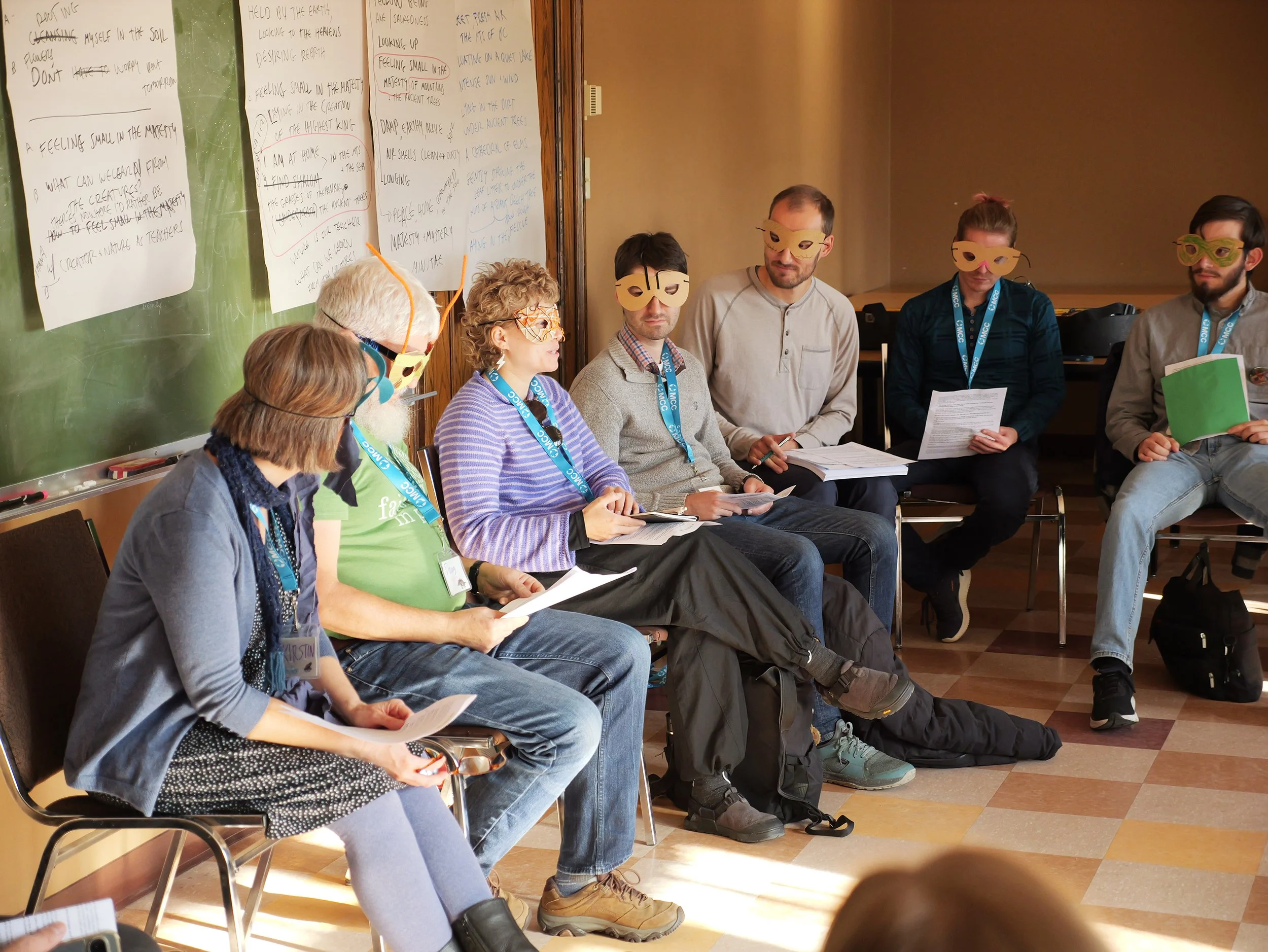
Gathering participants take part in an interactive activity called “The Council of All Beings.”
Note: This is the text of a spoken reflection Harrison shared with participants at the final session of the gathering.
I am ant. I build resilient communities. I can tackle complex problems because my brothers and sisters split our work according to our age and skillsets. When I am young, I take care of my younger siblings and my queen. As I age, I begin specializing in construction, digging and building our communal home. Later in life, full of wisdom and over-confidence, I venture outside the colony to forage for food and, when necessary, defend my family against attack. The total of my community is truly greater than the sum of its members.
What does it take to build a resilient community? This weekend, I’ve been meditating on that theme, after I found myself embodying an ant during our Council of Beings gathering. I didn’t realize how much ants (and other insects) utilized division of labor and specialized work functions, and I think they have a thing or two to teach humans. Ants are the typical anthropomorphic poster child for industry and hard work, but it forced me to wonder: What if we, like ants, were able to sustain industry and work ethic without sacrificing belonging and social cohesion?
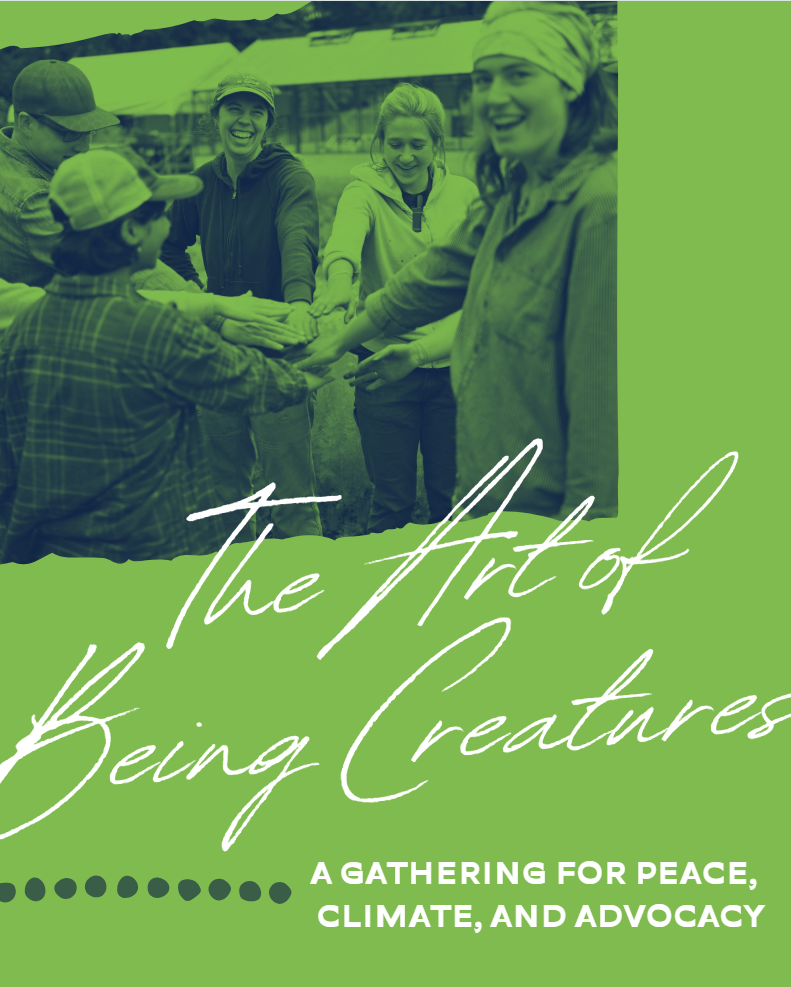
ACC and other Anabaptist partners brought young adults and representatives from Anabaptist organizations from the US & Canada together for a peace, climate and advocacy gathering October 30 - November 1, 2026 at Canadian Mennonite University, Winnipeg, Manitoba, Canada.
Look around. We have everything we need, here and now, to start a movement. We have farmers and backyard gardeners, seminary students and theology experts, world travelers and local specialists. We have songwriters and musicians and poets, activists and policy experts, and communicators and social media experts. We have people with knowledge of how to facilitate a meeting, run an organization, and build a fundraising campaign. We have scientists and analysts, herpetologists and ornithologists, and actors and playwrights. We have teachers, social workers, and others who sustain our communities. I’m not making these up; that’s all of you who I’ve talked to at this conference. And by the way, that’s just the young people!
Building things that last is difficult, but not impossible. It does, however, require a belief that having an impact is possible. Will we do it perfectly, without making any mistakes? Certainly not – but that’s why we have all of our “elders” walking with us, who have bravely paved the path for us. This conference is an invaluable opportunity to learn from their experiences and work together to build something new and exciting.
With all this in mind, think about one seed that was planted in your heart this weekend. What is something that you can do to water that seed in a month, or a year, or five years? Some seeds lie dormant longer than others, and that is okay. In many ways, I’m here today because of a seed planted almost 10 years ago, when I first met Kenton and Anika at Rooted and Grounded in 2018. What else does your seed need? Sunlight? Nutrients? Soil?
I’ve been so impressed with the creativity and imagination on display at this conference. The results of the songwriting workshop were very moving, and I definitely would attend a play entitled “The Monologue of the Emerald Ash Borer.” Among all of the skill sets I already listed here, this one might be the most valuable, because without new ideas, we are doomed to repeat history.
I want to end with this thought: Loneliness breeds hopelessness. We need each other, not just to build complementary movements, but to inspire and encourage one another. Don’t let the inspiration stop here; call each other, write to each other, create plans with one another. And if you need to talk to someone about how to nurture your seed, please reach out to me or anyone else here to think it through.
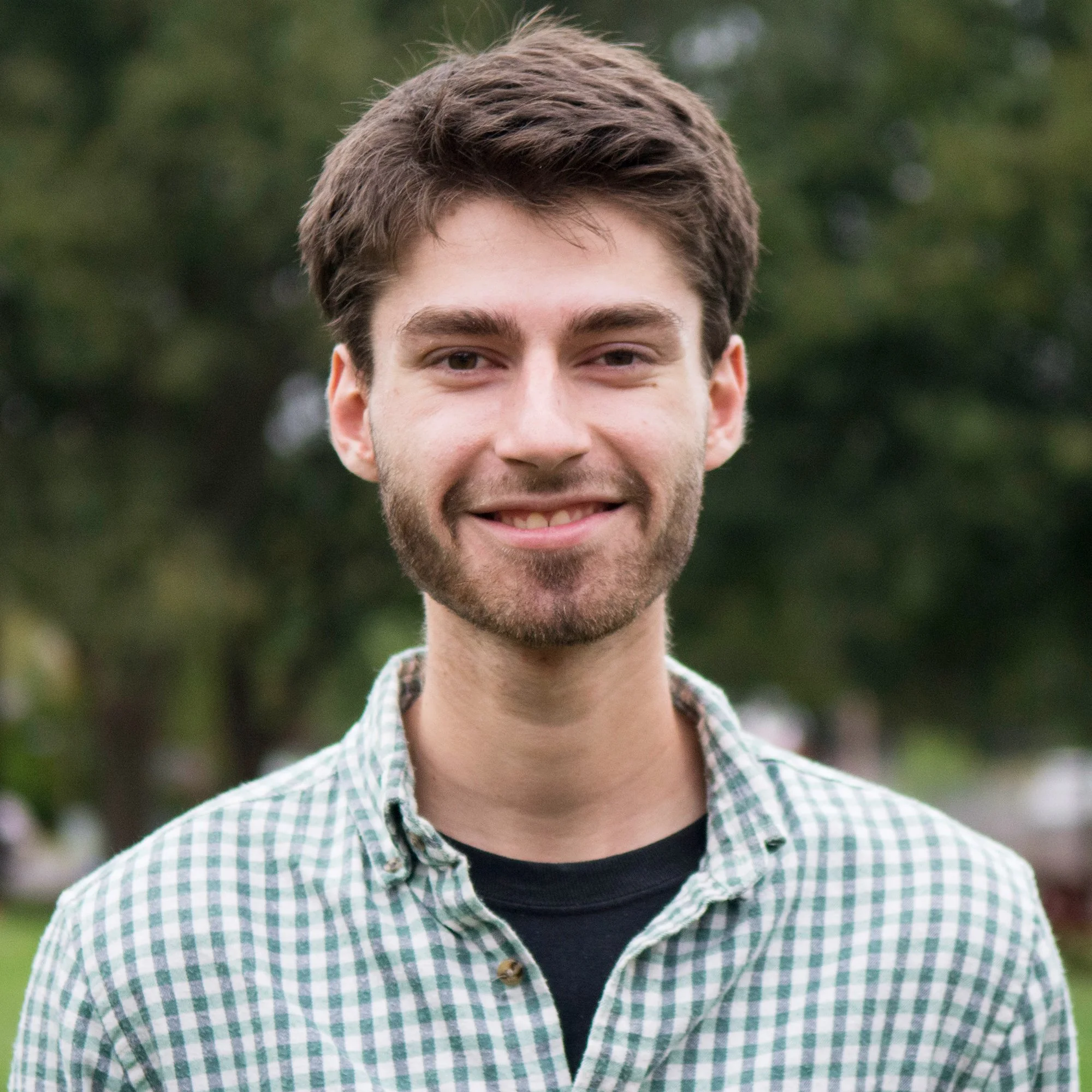
Harrison Horst is the co-chair of the board of Anabaptist Climate Collaborative.
